Why Koreans Pay for Emoticons: Messaging Culture and Emotional Spending
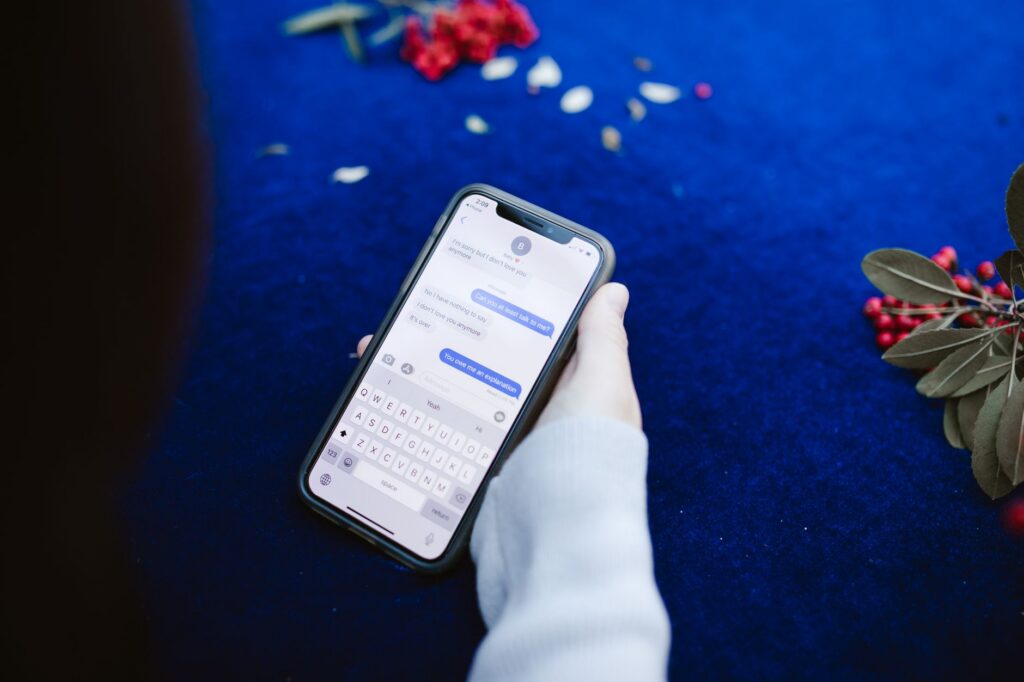
On the subway ride home, an office worker reads a friend’s message: “That meeting was really rough today.” A drooping character follows the short sentence.
Instead of sending a long consolation, the friend replies with a smiling face and a character holding a warm cup of tea. It is one of those moments when a tiny image lingers longer than a few words.
But why do people pay for these small pictures?
- It started as decoration, but now it has become a way of speaking.
- Koreans are not buying pictures; they are buying vessels for emotion.
- The real heart of this seemingly small purchase is “a character that speaks for me.”
- Small payments help sustain creators and the character industry.
- Emoticon culture can continue on WordPress, too.
- In the end, what we are buying is “the desire to communicate a little better.”
- WordPress Plugins
- Frequently asked questions
Text messages are convenient, but they have no facial expressions. Even a simple “Okay” can sound warm—or cold—depending on how it is read.
Emoticons add facial expressions and gestures between the words. Add a brightly smiling character to “Thank you,” and it feels friendly. Add a character with its hands clasped, and the same message seems more sincere.
Korea’s messaging culture created fertile ground for emoticons to grow. KakaoTalk first introduced them on November 29, 2011, starting with six products from webtoon and character artists.
According to data released by Kakao, the cumulative number of emoticon products had reached roughly 600,000 by 2023. The average monthly number of emoticon users was about 30 million, while cumulative purchasers totaled approximately 29 million.
Those figures show that emoticons are more than a fad among younger users. In family group chats, workplace conversations and alumni gatherings, they have become part of everyday speech.
It started as decoration, but now it has become a way of speaking.
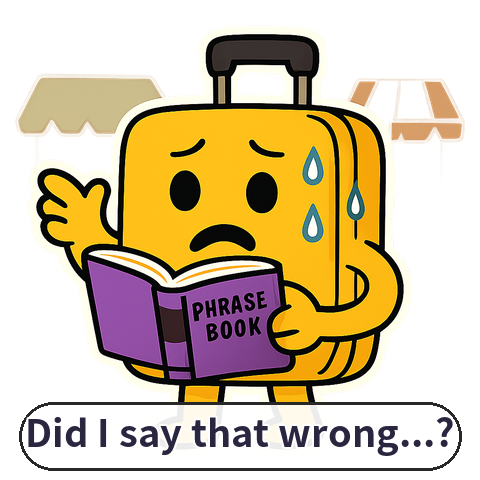
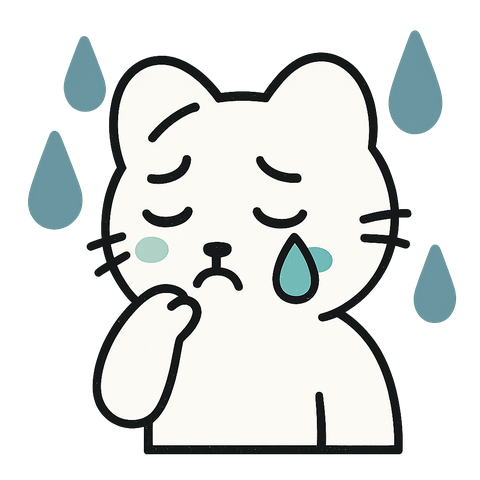
The first reason people buy emoticons is that they want to communicate their feelings quickly. Writing “It’s okay” may require further explanation depending on the situation, but a single character wiping away tears can immediately show what they mean.
In messaging, especially, voices and facial expressions disappear. Emoticons are small tools that stand in for those missing expressions and gestures.
Research on emoticons likewise suggests that users turn to them to find an expression that fits their emotions easily and quickly. In the end, what users are buying is not a file, but a way to communicate feelings that are difficult to explain in words.
The second reason is to make relationships feel more comfortable. Replying with only “Yes” to a manager can sound stiff, but adding a neutral character nodding its head can ease the tension in the conversation.
By contrast, overly cute or playful emoticons are usually reserved for close friends. As people choose an emoticon, they also adjust the distance between themselves and the person they are talking to.
That is why products tailored to specific situations continue to appear, even when they feature the same character. Expressions for saying good morning at work, apologizing, celebrating, offering comfort or taking a break are popular because they divide the day into familiar moments.
Koreans are not buying pictures; they are buying vessels for emotion.
At some point, people began looking for characters that resembled themselves: a bear who looks like an exhausted office worker, an indifferent cat or a rabbit whose face says more than its words.
These characters are not perfect heroes. They make mistakes, sulk, sleep in and sometimes do not feel like doing anything at all. That is why users look at them and think, “That’s exactly how I feel right now.”
Buying emoticons becomes a small act of self-expression. Without spending money on expensive clothes or bags, users can still show their preferred mood and personality in a chat window.
Memory also plays a part. A particular character may bring back a joke shared with a friend, a message from a family member or a conversation from a difficult day.
Once a character becomes associated with a good memory, it turns into more than a simple drawing—it becomes a trace of a relationship. Sending it again can bring back the memory itself: “We really had fun that day.”
According to Kakao, the cumulative number of emoticons sent had surpassed 260 billion by 2023. A small image sent once a day has been repeated across countless relationships, gradually becoming part of the culture.
The real heart of this seemingly small purchase is “a character that speaks for me.”
Emoticons matter not only to users. For artists, they provide an entry point for introducing their characters and earning income.
In 2017, Kakao opened Emoticon Studio, expanding the opportunities for creators to propose products. As a result, not only webtoon artists but also office workers, students and independent creators began presenting their own characters.
Materials published by Kakao include artists who have recorded more than 1 billion won in cumulative transaction value through emoticons. Of course, not every creator earns a substantial income. But it is clear that a small drawing can become the starting point for a career and a business.
When an emoticon becomes popular, its story moves beyond the chat window. It can lead to plush toys, stationery, calendars, exhibitions and pop-up stores, turning the character itself into a brand.
Based on data from the Korea Creative Content Agency, domestic content-industry revenue in 2024 totaled approximately 157.597 trillion won. The character sector alone accounted for about 4.949 trillion won, showing that characters are not merely decorative but a significant part of the industry.
Spending money on emoticons is also a way to support creators. The desire to keep seeing a favorite character can become the force that helps produce the next work.
Small payments help sustain creators and the character industry.
The way people use familiar characters in messaging can also be carried over to blogs. On a blog, however, it is better to think first about the purpose and emotion of the post rather than simply adding cuteness.
In a travel review, for example, a character showing anticipation, one who has lost the way and one enjoying delicious food can fit naturally. In an instruction manual, a surprised expression or a character pointing in a direction can make the information easier to understand.
When characters are used well in a WordPress post, readers can sense its mood before they read a long explanation. They can quickly tell whether the writer is being friendly, whether the post is light reading or whether the guidance requires caution.
But adding a character to every sentence makes the screen cluttered. Emoticons are like salt: the right amount brings out the flavor, but too much overwhelms the food itself.
- At the opening, use just one scene to catch the reader’s attention.
- For important instructions, choose expressions and actions with an unmistakable meaning.
- Place decorative images where they do not interrupt the flow of the text.
- Add alternative text that describes the content of each image.
WordPress operators should think about mobile screens first. A large character that looks fine in a messaging app may push the body text aside or slow down the reading experience on a blog.
The character’s colors and expressions also shape the impression of a site. If you settle on one style and use it consistently, visitors will remember the character as a guide to the site.
This is where WordPress shows its strength. If a short exchange in a messaging app conveys a fleeting emotion, WordPress provides a space where that emotion can accumulate and endure.
Emoticon culture can continue on WordPress, too.
Emoticons may seem trivial. A single purchase often costs less than a cup of coffee, and the image disappears from view within seconds.
Yet that small image can become someone’s voice, shape the mood of a relationship and support a creator’s livelihood. That is why people buy emoticons not only because they need them, but because they want to express how they feel.
The same principle applies to WordPress. The goal is not to display as many characters as possible, but to help readers absorb the emotion and information in a post more easily.
If you are adding a character to your blog today, ask yourself this first: not “Does this image make the post look prettier?” but “Does it help the reader understand the feeling behind the post a little better?”
A good emoticon can stand in for words, but a good WordPress character helps readers engage with the writing more closely.
In the end, what we are buying is “the desire to communicate a little better.”
Q. Are there really that many emoticon users in Korea?
A. According to data released by Kakao for 2023, the average monthly number of emoticon users was about 30 million. The cumulative number of purchasers was approximately 29 million.
Q. Why do people buy paid emoticons instead of using free ones?
A. Paid products offer a wider range of expressions featuring characters users like and situations they recognize. People also buy them to find expressions that can speak for them and to support creators.
Q. What is the difference between an emoticon and a character sticker?
A. An emoticon is an image used in messaging to communicate an emotion or reaction. “Sticker” is a broader term often used for images attached to comments and posts within services such as Naver Blog or Band.
Q. What should I be most careful about when adding characters to WordPress?
A. Do not use characters created by someone else without permission. Use artwork you created yourself or free materials with clearly stated usage rights, and make sure the images do not cover the text on mobile screens.
Q. Is it better to add more emoticons to a WordPress post?
A. No. Emoticons are more effective when used sparingly to reinforce an important emotion or instruction. Adding them to every sentence can make it harder for readers to stay focused.
WordPress Plugins
Frequently asked questions